
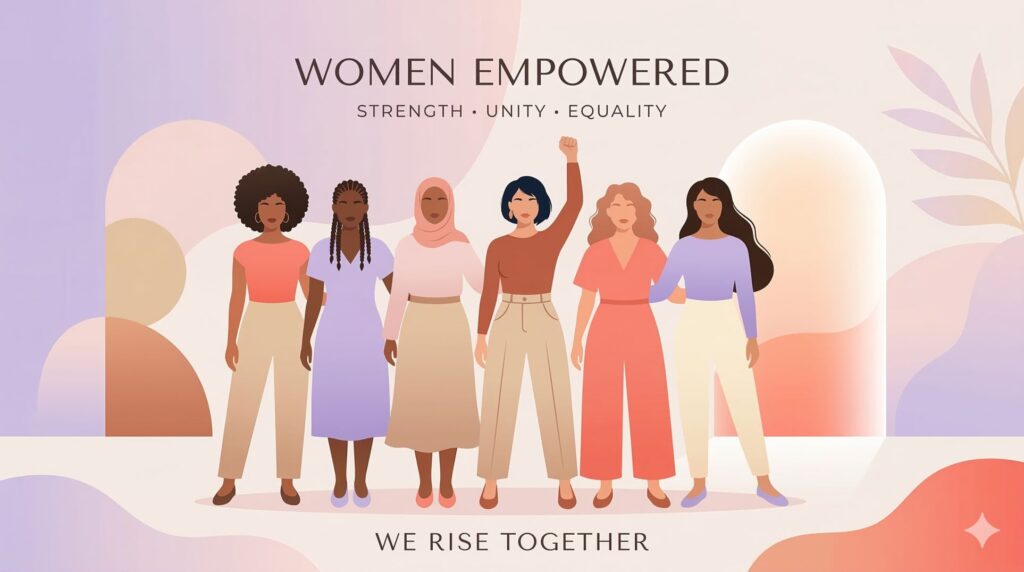

Introduction: Why Women Empowerment Matters
You know that feeling when you’re scrolling through social media, and your feed serves up another perfectly curated post about “girlboss” energy or feminist merch, and something about it just feels… off? Like women empowerment in modern culture has been shrink-wrapped and sold back to us with a pastel filter?
I started this website because I couldn’t shake that feeling. Because the conversations I was having with real women—in kitchenettes after work, on park benches while kids played, over tea in living rooms—sounded nothing like the conversations happening online.
Those real conversations were messier. More honest. Full of contradictions and questions that don’t fit into hashtags. What does women empowerment in everyday life actually mean when you’re juggling three jobs and still can’t afford childcare? When you love your partner but carry the mental load for everything? When you call yourself a feminist but secretly wonder if you’re doing it wrong?
I don’t have tidy answers. But I know the best conversations about gender equality and women’s rights aren’t happening on stages or in viral threads. They’re happening in the spaces where women feel safe enough to be uncertain. To change their minds. To admit this stuff is complicated.
No performative activism. No guilt trips about whether you’re “feminist enough.” Just honest exploration through research, stories, and conversations that refuse easy answers.
Whether you’ve been organizing for decades or just starting to ask questions: welcome. You’re in good company.
What Is Women Empowerment?
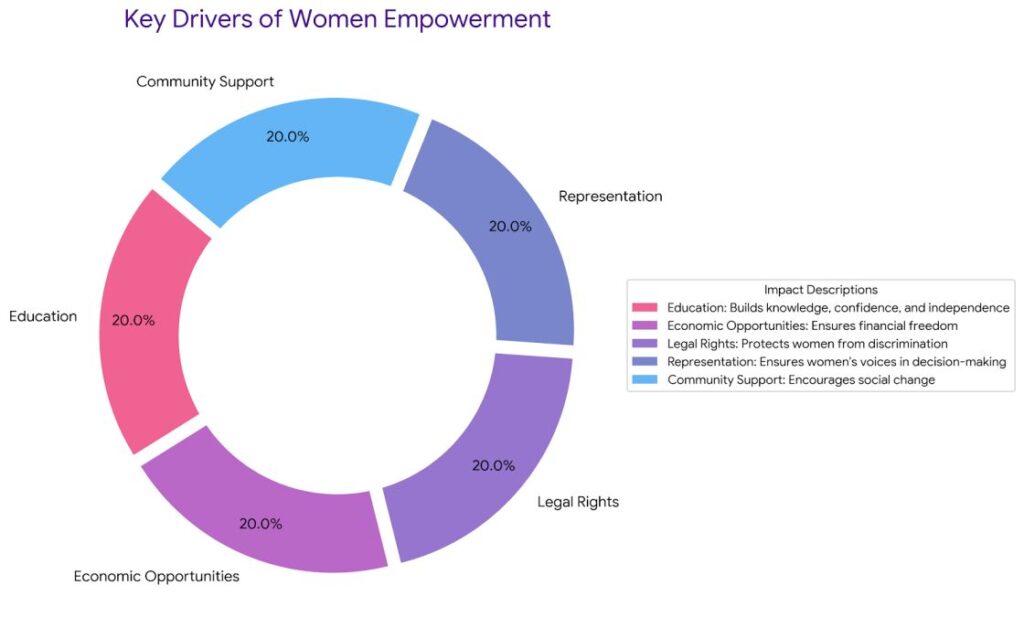
Women empowerment is about giving women and girls the freedom, confidence, and ability to take control of their own lives. It means having the power to make decisions, access opportunities, and shape their future without limitations. It’s not just about rights on paper—it’s about real change in mindset and everyday life.
When women are empowered, entire societies benefit—economies grow, poverty reduces, and communities become more inclusive and balanced. This makes women empowerment not just a personal journey, but a force for collective progress.
At its core, empowerment is deeply personal. It begins with self-belief, awareness, and the courage to speak up. While support from society matters, real change starts when a woman recognizes her own worth.
Understanding its journey—from past struggles to present progress—reminds us why women empowerment is so important today.
It includes:
- Access to education for girls and women
- Economic independence and financial freedom for women
- Equal legal rights and gender equality laws
- Freedom from gender-based violence and discrimination
- Women’s leadership and participation in decision-making
Empowerment allows women to control their own lives and influence society positively. Many researchers highlight how women empowerment contributes to sustainable social development and stronger communities.
Key Dimensions of Women Empowerment
| Dimension | What It Means | Example |
|---|---|---|
| Educational Empowerment | Equal access to education | Girls completing school and university |
| Economic Empowerment | Financial independence | Women entrepreneurs and professionals |
| Political Empowerment | Representation in governance | Women leaders and policymakers |
| Social Empowerment | Freedom from discrimination | Equal rights in family and society |
| Psychological Empowerment | Confidence and self-belief | Women speaking up for their rights |
Each of these aspects contributes to building a society where women can thrive. Explore more about what empowerment means or read real stories from women creating change.
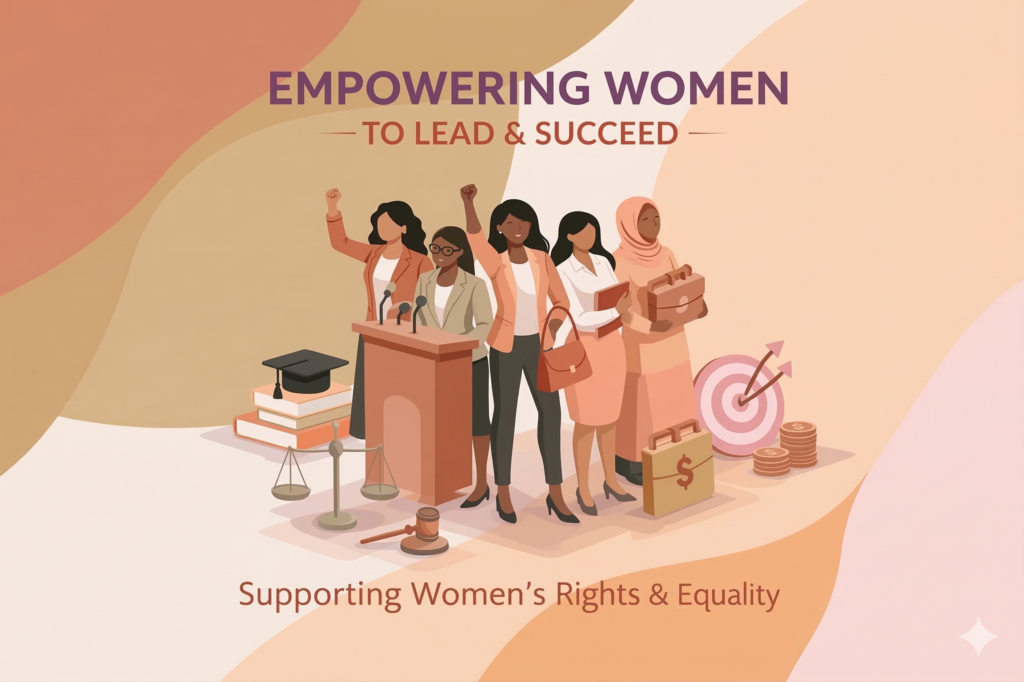
Why Women Empowerment Matters for Society
Women empowerment is not only a moral or social issue—it is also an economic and developmental necessity. Research from the World Bank confirms that gender equality is fundamental to global prosperity.
1. Empowering Women, Strengthening Economies
When women participate in the workforce, productivity increases. Studies show that closing gender gaps could add trillions to the global economy. The International Labour Organization reports that countries with higher female labor force participation experience faster economic growth.
2. Better Family Health and Education
Educated and financially independent women are more likely to invest in:
- Children’s education
- Healthcare
- Nutrition
This creates healthier and more prosperous communities. According to UNICEF, educated mothers are twice as likely to send their children to school.
3.Women Empowerment for a Poverty-Free Future
Empowering women leads to more stable households and sustainable economic growth. The UN Development Programme has documented how women’s economic participation directly correlates with poverty reduction.
4. More Inclusive Leadership
Women leaders often bring diverse perspectives that lead to better policies and governance. Research shows that companies with gender-diverse leadership teams outperform their peers.
Challenges Women Still Face Today
Despite the progress, many barriers still limit women empowerment.
1. Gender Pay Gap
Women worldwide often earn less than men for the same work. The gender pay gap reduces financial independence and economic security. According to the World Economic Forum, at current rates, it will take over 100 years to close the global pay gap.
2. Limited Access to Education
In some regions, girls are still denied education due to poverty, cultural norms, or conflict. UNESCO estimates that millions of girls remain out of school worldwide.
3. Gender-Based Violence
Violence against women remains one of the most serious global human rights violations. UN Women reports that 1 in 3 women experience physical or sexual violence in their lifetime.
4. Underrepresentation in Leadership
Women hold fewer executive and political leadership roles compared to men. Catalyst research shows that women lead only 8% of Fortune 500 companies.
5. Cultural and Social Norms
Traditional stereotypes sometimes discourage women from pursuing careers, leadership roles, or personal ambitions. These cultural barriers require systemic change.
Addressing these challenges requires systemic change, education, and collective action.
Comparison Between Past and Present
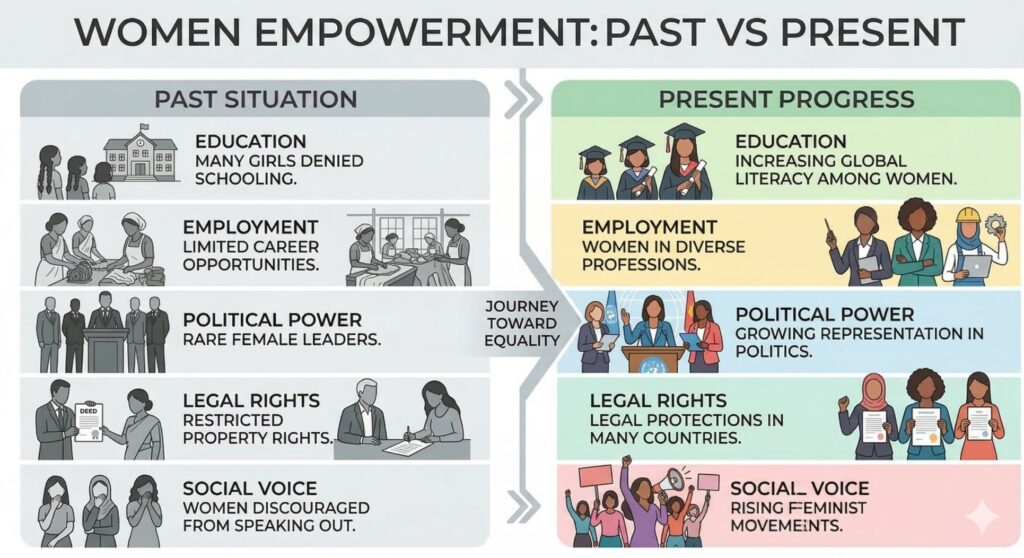
Although progress is visible, the journey toward equality is still ongoing.
The Role of Education in Women Empowerment
Education is one of the most powerful tools for empowering women. Girls’ education creates ripple effects across communities.
When girls receive quality education, several positive outcomes occur:
- Higher employment opportunities
- Improved health and wellbeing
- Greater confidence and leadership skills
- Reduced child marriage and poverty
Educated women often become agents of change, inspiring future generations to break barriers and pursue their dreams. The Malala Fund has documented how educated girls become powerful advocates for their communities.
The Global Progress of Women Empowerment
Over the past few decades, women empowerment has made remarkable strides. According to UN Women, progress in gender equality is accelerating, though challenges remain.
1.Women Empowerment: Education for All
More girls than ever are attending school. Literacy among women has increased dramatically in many developing countries, with organizations like UNESCO tracking these gains. Education empowers women to make informed decisions about their lives and careers.
2.Economic Participation
Women are entering the workforce in increasing numbers. From women entrepreneurs to corporate leaders, women are shaping industries and innovation. The World Bank reports that closing gender gaps in employment could significantly boost global GDP.
3.Political Representation
Women leaders around the world are proving that leadership is not defined by gender. Countries like New Zealand and Germany have shown how female leadership shapes policy. Increased political participation ensures policies that support families, education, and equality. Data from UN Women on political participation shows steady, if slow, progress.
4.Social Awareness
Social media and digital activism have amplified conversations about women’s rights, gender equality, and workplace fairness. Movements like #MeToo have sparked global conversations about workplace fairness and accountability.
These developments demonstrate that empowering women benefits everyone, not just women themselves. Explore more global progress stories or dive into specific issues affecting women today.
Digital Platforms and the Rise of Women’s Voices
The digital age has transformed how women share their stories and advocate for change.
Blogs, social media platforms, and online communities have become powerful spaces for:
- Raising awareness about gender equality
- Sharing personal experiences
- Supporting women’s rights movements
- Building networks and mentorship opportunities
For example, many feminist blogs and online campaigns encourage women to speak openly about their experiences and challenge societal norms. The #MeToo movement demonstrated how digital platforms can amplify women’s voices globally.
This digital empowerment is helping create a global sisterhood of support and activism.
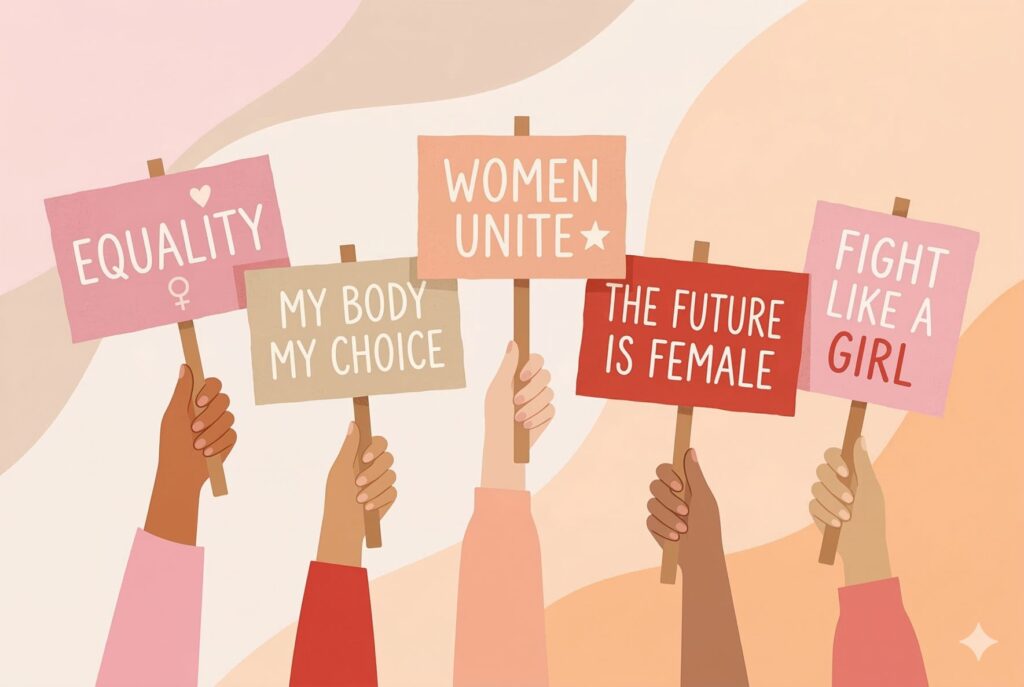
Practical Ways to Promote Women Empowerment
Everyone can contribute to empowering women, regardless of their profession or background. Here are practical ways to support women empowerment in everyday life that you can start implementing today:
1. Support Girls’ Education
Encourage education and mentorship opportunities for young girls. Investing in girls’ education and leadership development can transform communities and create long-term opportunities. Organizations like Room to Read are making a difference by expanding access to education worldwide.
2. Women Empowerment: Opportunity Without Barriers
Advocate for fair hiring practices, equal pay, and career growth for women. Learning about equal pay advocacy and workplace equality initiatives can help individuals and organizations address gender gaps in employment.
3. Challenge Gender Stereotypes
Question outdated beliefs that limit women’s potential. Encouraging conversations about breaking gender stereotypes in society can help create more inclusive environments for women and girls.
4. Support Women-Owned Businesses
Buying from women entrepreneurs helps strengthen economic empowerment. Supporting women-owned businesses and female entrepreneurship contributes to financial independence and local economic growth. You can also explore successful women entrepreneurs and inspiring business stories for inspiration.
5. Encourage Women’s Voices
Listen to and amplify women’s perspectives in discussions, workplaces, and communities. Learning strategies to amplify women’s voices in leadership can help ensure diverse perspectives are heard and valued.
Small actions can collectively lead to significant societal transformation and strengthen community efforts supporting gender equality.
The Future of Women Empowerment
The future of women empowerment depends on continuous progress and collaboration.
Emerging trends that may accelerate empowerment include:
- Education technology increasing access to learning
- Female entrepreneurship rising globally
- Inclusive workplace policies supporting equality
- Youth activism advocating for gender justice
Younger generations are increasingly aware of gender equality issues, creating hope for a more balanced and inclusive future. Organizations like Plan International are working with youth to accelerate progress.
The journey continues, but with collective effort, a more equitable world is within reach. Explore more resources or share your story to join the movement.
Conclusion: Empowering Women Means Empowering Humanity
Women empowerment is more than a movement—it’s a path to fairness, dignity, and opportunity. When women are empowered, societies grow stronger and future generations thrive.
Through education, financial independence, and leadership, women drive lasting change. Achieving gender equality requires collective effort, and as recognized by the United Nations, it is key to sustainable development.
Empowering women means empowering humanity.
Call to Action: Your Voice Matter
Empowerment starts with action. Have a story to share or a question to ask? This is a judgment-free zone. We read every comment and messages.


Pingback: Feminism: Beyond Stereotypes, Towards Equality - shefeelsit.com
Pingback: Feminism: Breaking Myths, Building Equality - shefeelsit.com